The easiest heating job to lose may be one you have already earned.
You serviced the boiler last year, the customer was happy and the property details are sitting in your records. Twelve months later, nobody remembers to make contact until the customer rings another firm—or waits until a fault appears.
A boiler service reminder system turns those old job records into a controlled stream of conversations. It should identify what is due, contact the right person appropriately, gather enough information to choose the next action and protect the diary from promises your team cannot keep. For a Lancashire heating business, that can create steadier work without asking engineers to chase names between appointments.
A reminder is useful only when the next step works
Sending “your boiler service is due” is the easy part. The real test begins when the customer replies. Can the person answering see the property, understand which visit is due, check the service area, offer an appropriate slot and recognise when the caller is reporting a fault instead?
Treat the reminder as the start of a small workflow, not a standalone message. Every response should end in one of a few clear outcomes: booked, awaiting a customer decision, awaiting human review, outside scope, opted out or no longer responsible for the property.
Separate servicing, safety checks and repairs
These enquiries can sound similar but they do not mean the same thing. Your records and scripts should keep three routes separate.
Routine boiler servicing
For an owner-occupier, use the appliance manufacturer’s guidance and the service history you actually hold. Gas Safe Register advises checking the manufacturer’s instructions and says it advises annual servicing, or servicing in line with those instructions. A reminder should invite the customer to arrange the appropriate work; it should not imply that CallKind or the receptionist has inspected the appliance.
Landlord gas safety checks
Landlord duties need their own dates and records. The Health and Safety Executive explains that landlords must arrange a gas safety check every year for each relevant appliance and flue. HSE guidance also allows a check to be completed in the two months before the due date while retaining the existing expiry date. That window can help a heating firm and landlord arrange access before the deadline, but the responsibility remains with the landlord or agent.
A current fault or safety concern
If the customer replies with “the boiler is leaking”, “there is no heat” or safety-related wording, leave the reminder path. Follow the business’s approved repair or emergency rules. A service slot should never be used to hide a different type of enquiry. The separate boiler-season call plan shows how heating firms can divide safety reports, urgent failures and routine work.
Build one reliable due-work record
A useful reminder record needs more than a name and mobile number. Keep the information that changes the decision:
- customer or responsible landlord/agent;
- property address and service-area result;
- appliance or visit type, without guessing technical details;
- last completed visit and the evidence behind the next due date;
- preferred contact channel and the customer’s current marketing preferences;
- access contact, where this differs from the person paying;
- engineer qualification or skill required;
- last reminder, response and agreed next action.
Do not create a fresh lead every time a customer replies. Update the same record so the office can see what was sent, what the customer said and who owns the next step. Correct stale phone numbers, moved properties and changed landlords rather than allowing duplicates to grow.
Keep service messages and marketing messages distinct
The reason for the message matters. The Information Commissioner’s Office says a factual reminder about an already-booked appointment can be a service message. If the message encourages somebody to buy or book a new service, it is likely to be direct marketing and the relevant UK GDPR and PECR rules must be considered.
Do not add a promotional offer to an administrative appointment reminder and assume the whole message remains administrative. Record opt-outs promptly, identify the sender and make it easy for the customer to understand why they are being contacted. Get specific advice if you are unsure which lawful route applies to your customer list; this article is operational guidance, not legal advice.
Use a reminder sequence that respects capacity
Work backwards from the due window and the capacity you can genuinely offer. A landlord check may justify earlier contact because access and records involve several people. An owner-occupier service may need a lighter sequence. The exact timing belongs in your business rules.
For example, the first message might invite a reply or call. A second contact can follow only where your contact basis and preferences allow it. Once the customer responds, stop the broadcast sequence and move them into a live booking, callback or review path. After a booking, use the factual confirmations covered in the appointment confirmation guide.
Ask five questions when the customer replies
A short response such as “yes please” is not yet a bookable job. Ask only for missing information:
- Which property is this about? Confirm the full address, especially for landlords and agents.
- Are you arranging a routine service, a landlord check or something else? Keep the job type accurate.
- Is the appliance working normally now? Route current faults or safety concerns through the correct rules.
- Who will provide access? Capture the occupier or key-holder separately where needed.
- Which approved windows could work? Offer only times that match service area, engineer eligibility and real capacity.
The booking rules in CallKind’s plumber appointment booking system guide explain why a blank calendar slot is not automatically suitable for every job.
A Pendle example: turn a list into workable routes
Imagine a small heating team with previous customers in Nelson, Colne and Barnoldswick. Sending every due reminder on the same morning could produce more replies than the office can book sensibly. It may also scatter visits across the area when the diary would work better with planned route days.
A stronger process releases a manageable group of verified records, checks which type of visit is due and offers windows that fit engineer skills and travel plans. A landlord with three properties can be routed for a multi-property review. An owner-occupier reporting a current fault leaves the routine-service queue. A customer who has moved is closed cleanly rather than contacted again next month.
Measure booked outcomes, not messages sent
A large send count says little about business value. Track how many due records were valid, how many customers responded, how many became suitable bookings, how many needed human review, how many opted out and how many records were corrected. Compare booked work with available engineer capacity so the campaign does not create a queue the team cannot fulfil.
Where CallKind can support the reminder workflow
CallKind can be configured around approved services, questions, postcode rules, booking limits and escalation paths. When a customer calls or replies, an AI receptionist can gather the agreed details, book where the rules allow, create a callback and send a concise summary. The exact reminder channels and connected systems depend on the setup agreed for the business.
CallKind’s discovery, configuration and testing process is where those rules are mapped. You can also review the published plans and listed features before deciding how much of the journey should be automated.
Boiler service reminder FAQs
Is a boiler service reminder the same as an appointment reminder?
No. A message encouraging a customer to arrange new work may be direct marketing. A factual message about an appointment already booked may be a service message. Review the purpose and content of each communication.
Should every previous customer receive a reminder?
No. Use accurate records, respect contact preferences and exclude customers who opted out, moved away or no longer own the property. Make sure you have an appropriate basis for the contact.
Can an AI receptionist book the service immediately?
It can where the business has supplied approved service, location, engineer and diary rules. Enquiries outside those rules should become a structured callback or review task.
What if the customer reports a boiler fault during the reminder call?
Move out of the routine-service flow and follow the business’s approved fault and safety route. Do not diagnose the appliance or leave a current concern inside a future service booking.
Can reminders cover landlords with several properties?
Yes, if each property, due date, responsible person and access contact is held accurately. Multi-property enquiries may need human review before times are promised.
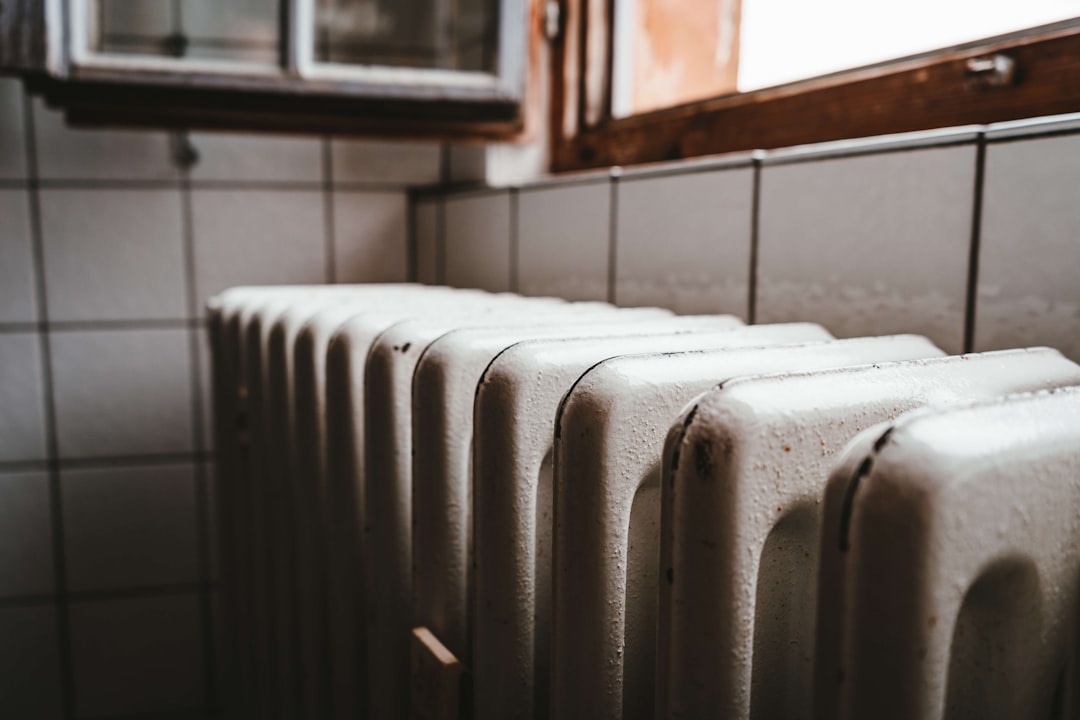
Featured photograph by Julian Hochgesang via Unsplash.
Turn last year’s good work into this year’s booked diary
A useful reminder system connects accurate due dates with responsible contact, sensible questions and real diary capacity. It gives existing customers an easy route back while keeping servicing, landlord checks and current faults in the right lanes.
Hear how CallKind could handle the replies around your heating workflow and create clear next actions for your team.