Five calls arrive in ten minutes. One engineer is beneath a boiler, another is driving and the office is already speaking to a customer. The problem is not that the plumbing firm lacks work. It is that nobody can see which call needs action first.
Overflow call answering for plumbers should do more than catch names when the team is busy. A useful overflow plan recognises when normal cover has reached capacity, gives every caller an honest next step and protects urgent enquiries without inventing engineer availability.
For Lancashire plumbing and heating firms, this matters during ordinary working hours as much as overnight. A burst of calls can follow cold weather, heavy rain, a local service interruption or simply several engineers starting jobs at once.
Overflow is a capacity state, not a time of day
Out-of-hours cover starts because the office is closed. Overflow starts because the usual answer point cannot respond reliably. That may happen for eight minutes during a morning rush or for most of a difficult day.
Define the trigger clearly. It could be an unanswered-ring rule, a maximum queue, a manual “team busy” switch or a combination of call status and diary capacity. If nobody knows when overflow begins, calls will continue reaching voicemail long after the team is overwhelmed.
The trigger should also release automatically or through a named person. Otherwise, routine calls may remain diverted after the office is ready to answer again.
Separate answering capacity from job capacity
Being able to answer another call does not mean the business can attend another job. Your overflow receptionist needs a current view of what it may promise: which services are covered, which postcodes are eligible, whether same-day capacity is open and who can approve an exception.
Use simple capacity states that staff can maintain. “Bookings open”, “assessment only”, “urgent review only” and “no attendance promise” are clearer than asking a receptionist to infer availability from a crowded calendar.
The existing plumber appointment booking guide explains why a visible gap is not always a bookable slot. Engineer eligibility, travel time and realistic job duration still apply during overflow.
Design the first ninety seconds around decisions
A long script creates its own queue. The opening should establish the caller, property, observed problem and requested action. Ask only the questions that determine routing or make the eventual handover more useful.
Confirm the best callback number rather than assuming it is the number displayed. Capture the full service address, including house number or property name, street, town and postcode. Ask whether someone can provide access during the possible attendance window.
For an existing job, identify the booking or service address before creating another lead. A customer chasing an engineer should update the existing record, not appear as a second emergency.
Use four overflow routes
Safety instruction
Some calls must leave the sales and scheduling flow immediately. For a suspected gas leak, carbon-monoxide emergency or struck gas pipe, the National Gas Emergency Service says to call 0800 111 999 immediately; it is free and available 24 hours a day. Use current approved wording and do not delay it with routine qualification.
Urgent human review
An active leak, major loss of service or other time-sensitive report may need a duty manager to decide whether attendance is possible. Capture observations, immediate conditions, address, access and callback details, then send the alert to the person currently responsible.
Approved booking or quotation route
If the service, location and available slot meet approved rules, the enquiry can move into booking. Quote requests may instead require photos, a survey or a structured callback. Do not turn every empty-looking diary space into a promise.
Routine callback or message
Questions about invoices, planned maintenance, future work or an existing non-urgent enquiry can enter a timed callback queue. The caller should hear when the team expects to respond, and the action should have an owner.
Let weather warnings prepare the workflow
Do not wait for the phone to prove demand is rising. The Met Office UK weather-warning service explains that warnings describe possible impacts including travel disruption and property damage. A warning can be a prompt to check staffing, duty contacts and call rules before conditions arrive.
Read the warning detail rather than routing calls from the colour alone. Weather does not tell you whether a specific job is safe, within area or attendable. It tells the business when to verify its readiness.
A Lancashire overflow example
Imagine a three-engineer business with active jobs in Morecambe, Lancaster and Carnforth. At 10:15, a landlord reports no hot water, a homeowner reports water beneath a sink, a customer asks for a bathroom quote and two people chase existing appointments.
A weak overflow service produces five similar messages. A useful system recognises the existing appointments, captures the quotation brief, sends the active-water report for a capacity decision and records the heating enquiry with the correct property and contact.
The business still decides where engineers go. The overflow process makes that decision possible without forcing someone to stop work and reconstruct five calls from voicemail.
Make every promise measurable
Avoid phrases such as “someone will be with you soon” unless the system has confirmed attendance. Use promises the business can track: enquiry logged, manager notified, callback due within an approved window or booking confirmed for a stated slot.
The plumber callback system shows how to assign an owner and outcome. The lead-response guide explains why an answer only counts when it creates useful progress.
Review overflow performance without chasing vanity numbers
Count how many overflow calls received a valid route, how many callbacks became overdue, how often customers repeated the same information and how many promises had to be corrected. A high answered-call figure can hide poor outcomes.
Sample the exceptions. If the receptionist repeatedly cannot decide whether a postcode is covered, update the service-area rule. If staff ignore one alert channel, change the handover. If callers chase vague timeframes, tighten the approved wording.
Where CallKind fits
CallKind can answer 24/7 and be configured to cover all calls, out-of-hours calls or missed calls. Depending on the agreed setup, it can qualify enquiries, create callbacks, make approved bookings and send summaries while the team continues working.
The How It Works process maps services, safe information and fallback rules before testing. Review the Industries and Pricing pages to see how the wider service is structured.
Frequently asked questions
What counts as call overflow for a plumbing firm?
Overflow begins when the normal answer point cannot respond to new calls within the business’s chosen standard. The trigger may be unanswered rings, queue size, team status or a manual switch.
Is overflow answering only for large plumbing companies?
No. A sole trader can reach capacity during one complex job, while a larger team may need overflow only during peaks. The rules should match the actual call pattern and staffing.
Can an overflow receptionist book emergency work?
Only when the business has approved rules that confirm the service, area, engineer suitability and live capacity. Otherwise, the receptionist should capture the details and escalate the attendance decision.
Will callers need a different phone number?
Not necessarily. CallKind says calls can usually be forwarded from the existing number all the time, outside opening hours or when the team cannot answer. The exact forwarding setup depends on the telephone service.
Does overflow answering replace office staff?
It does not have to. It can provide a controlled second answer point during busy periods, with staff retaining decisions and exceptions that need human judgement.
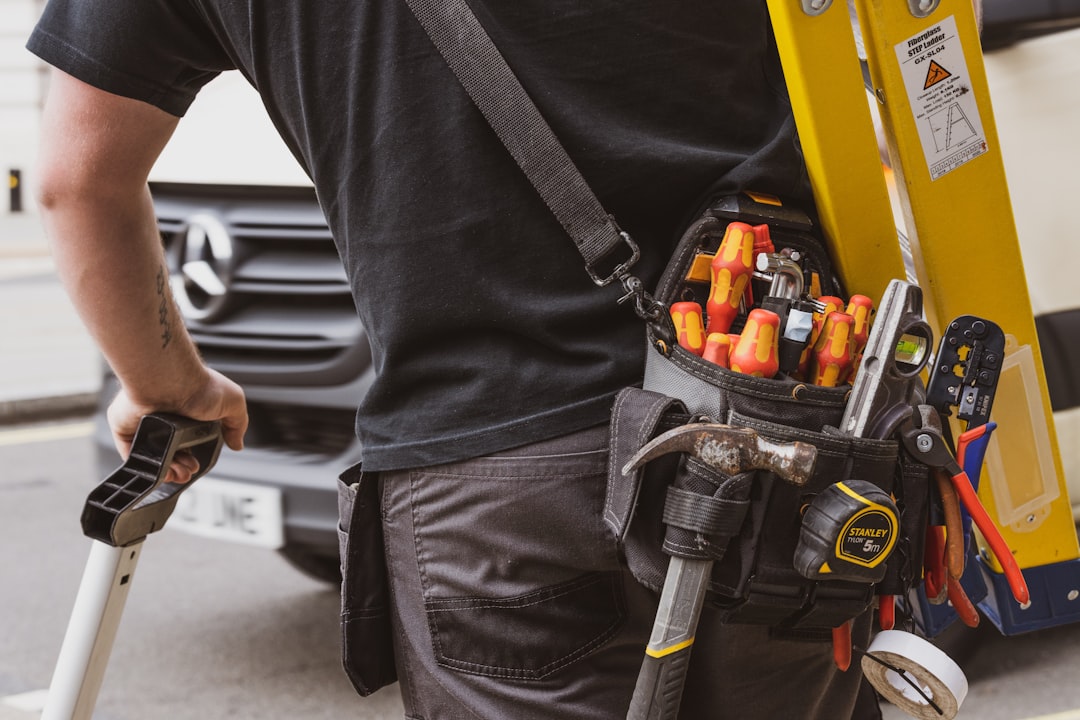
Featured photo by Kevin Grieve on Unsplash.
Give every busy-period call a useful next step
If one rush of calls can derail the day, define the trigger, routes and promises before the next peak. Try the live personalised plumbing demo and hear how an approved overflow conversation could work for your business.